
1. Why do overseas clients choose China for aluminum windows and doors
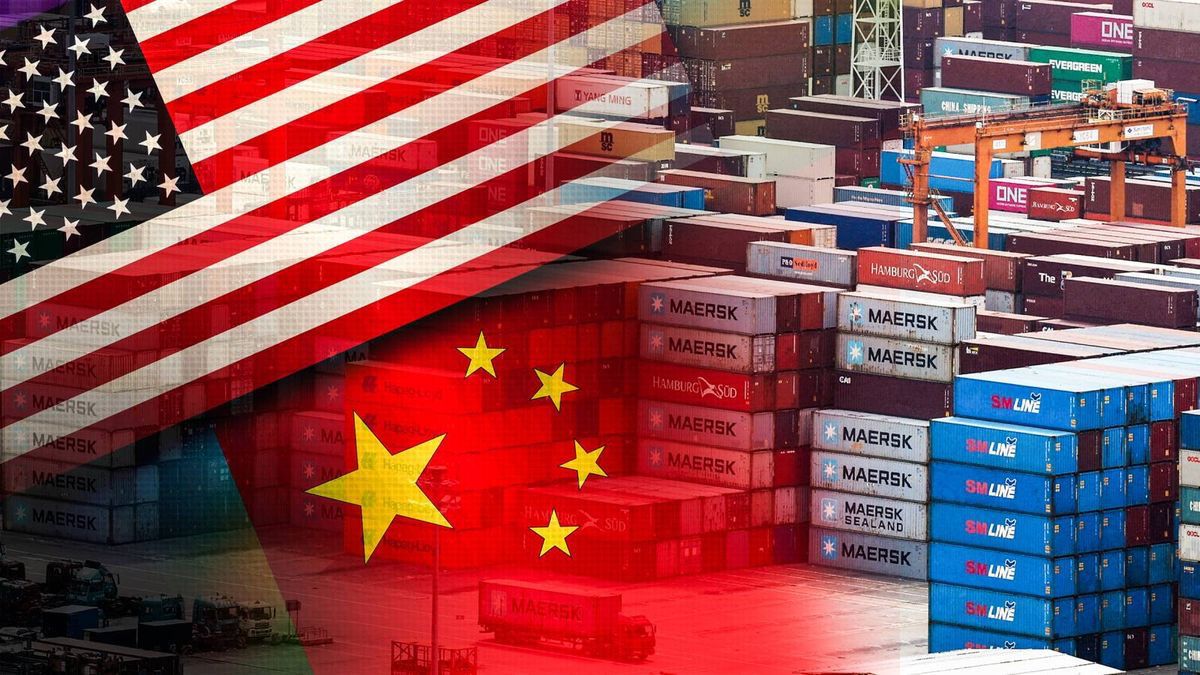
China has a mature supply chain for aluminum windows and doors, especially in Foshan, where many factories focus on residential, villa, apartment, hotel, and commercial projects. For overseas buyers, this means better customization flexibility, clearer cost comparison, and easier access to different performance levels—from standard systems to high-performance thermal break aluminum windows.
2. What clients need to prepare before factory matching
Before we match a Foshan window factory or a Chinese window supplier to a project, we need to understand the technical and site requirements clearly. The more complete the information is, the more accurate the quotation, factory selection, and glass recommendation will be.
| What to prepare | Why it matters |
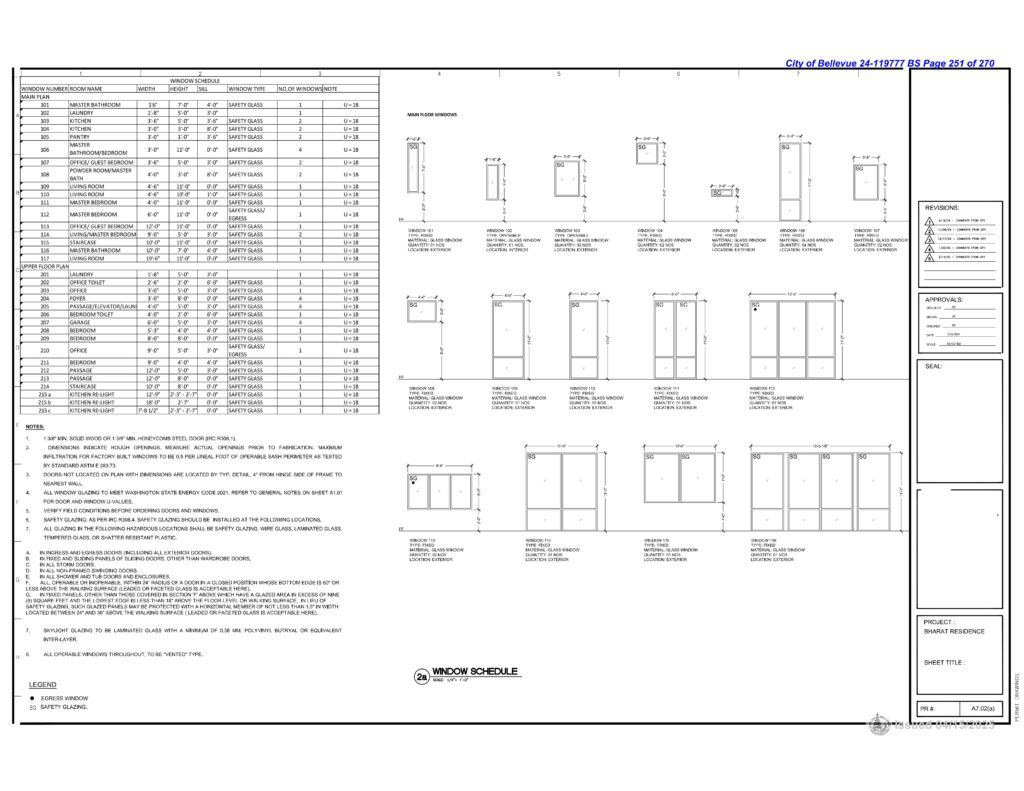
| Architectural drawings | Floor plans, elevations, sections, and window schedules help the factory quote the correct system, opening method, and size. |
| Window performance targets | U-factor / U-value, SHGC, wind load, water tightness, air tightness, acoustic targets, and glass safety requirements affect both factory selection and glass package. |
| Project location | Climate, coast exposure, hurricane / typhoon risk, and local code expectations influence frame system, hardware, and glazing. |
| Installation method | We need to know how the windows and doors will be installed so the factory can prepare the right accessories, brackets, sub-frame details, drainage details, and guidance. |
| Preferred finish and hardware | Frame color, mosquito screen, slim sightline, hidden sash, European hardware, or heavy-duty hardware all change pricing and lead time. |
| Budget range | This helps us match the right factory and avoid recommending a system far above or below the target level. |
Here is a windows plan sample :
Clients should also tell us whether the project has any required wind load resistance in Pa (for example, 1000Pa, or higher). This is very important for coastal projects, high-rise buildings, hurricane-exposed areas, and projects with large glass doors or oversized window panels. If the architect or consultant has a required wind pressure rating, it should be provided together with the drawings and specifications.
Here is a Wind Resistance Test in China factory :
3. Country-specific information we usually need from clients
Different markets request different compliance paths. In practice, we usually begin with the project drawings and the required performance values, then we connect the client to the right certified or export-experienced factory.
In addition to U-value, SHGC, BASIX data, or certification targets, clients should also provide any required wind load resistance in Pa, because this can affect profile selection, reinforcement logic, glazing make-up, and hardware specification.
| Market | What we need from the client | How Morefar matches the factory |
| USA | Each window’s SHGC and U-Factor from the architect, consultant, or project schedule. | We connect the project to factories that can work with NFRC-related requirements and suitable glazing configurations. |
| Canada | SHGC and U-Factor, plus any project-specific energy or safety requirements. | We match suppliers with CSA-related export experience and suitable thermal performance solutions. |
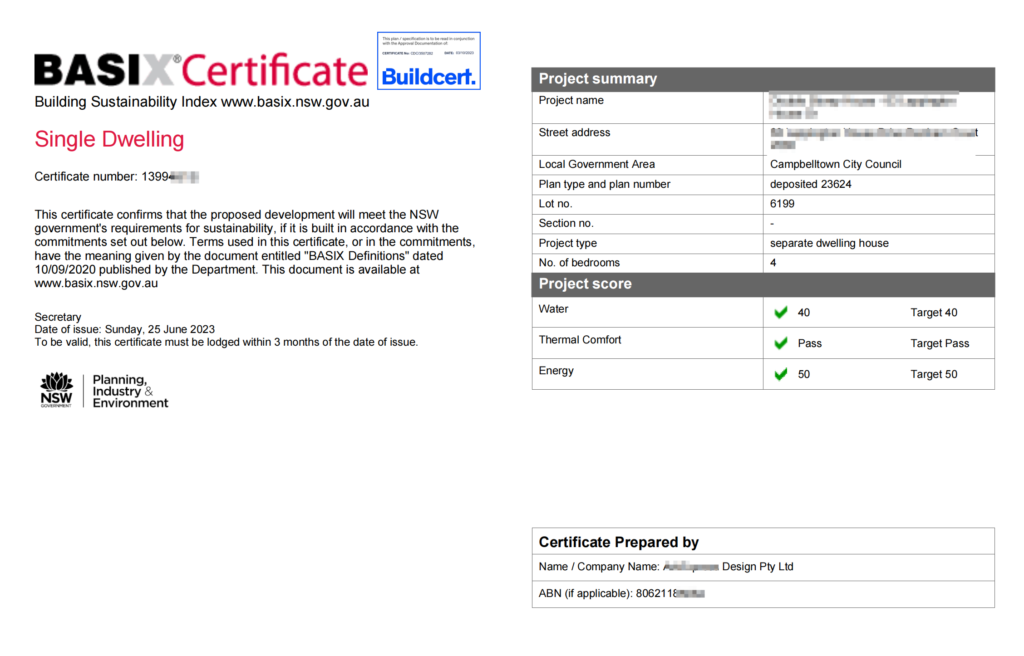
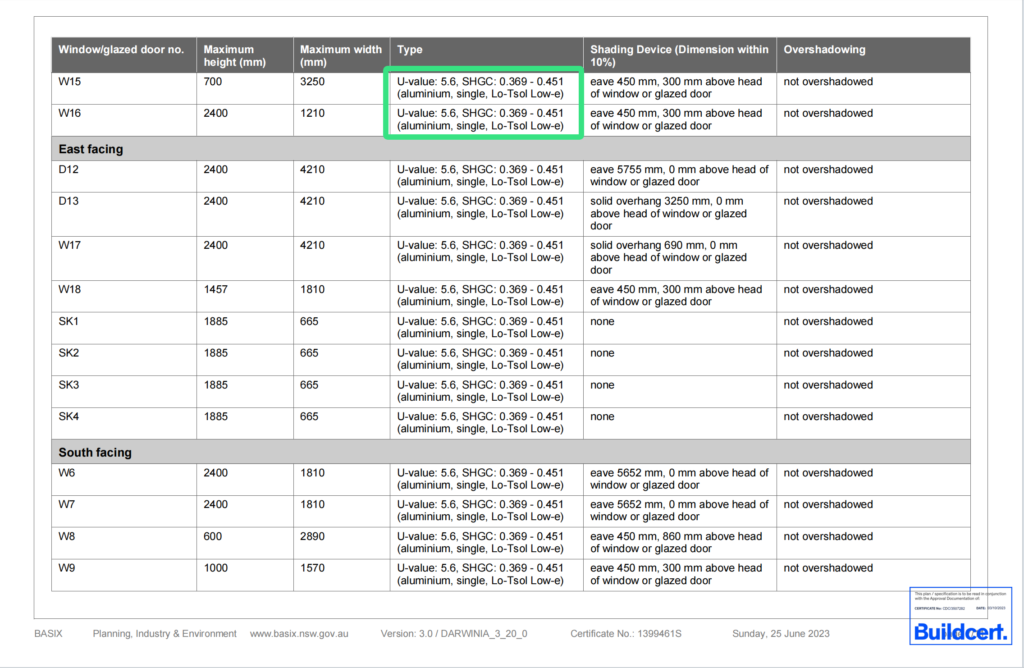
| Australia | BASIX file from the architect. BASIX usually shows the SHGC and U-value required for each opening. | We connect the project to factories that can work with AS2047-related requirements and appropriate glass and hardware packages. |
| Europe / CE-driven projects | Project specification, performance targets, and whether CE-related documentation is required for the quoted series. | We match factories based on the requested configuration, test route, and export documentation for the target market. EN 14351-1:2006+A2:2016, like the UK and other European countries. |
| Other countries | Glass specification, U-value / SHGC if available, wind load, waterproofing level, acoustic needs, and any mandatory local code requirement. | We select the window factory according to the project specification rather than relying on one single label only. |
BASIX :(Australia )
4. Typical order workflow for custom windows and doors
For custom aluminum windows and doors, a clear order workflow is very important. It protects both pricing accuracy and production accuracy.
| Step | Explanation |
| 1. Customers’ Enquiry (with drawings & specifications) | The client sends drawings, specifications, performance targets, installation method, and any certification requirements. |
| 2. Factory to Price | We compare the project with suitable window factories and collect pricing based on the correct system and configuration. |
| 3. Negotiation | We review the quotation, alternative options, hardware choices, glass package, lead time, and export conditions. |
| 4. Price Accepted | The commercial scope is confirmed and the client agrees on the final system route. |
| 5. Deposit | The deposit is arranged so the factory can begin technical confirmation and scheduling. |
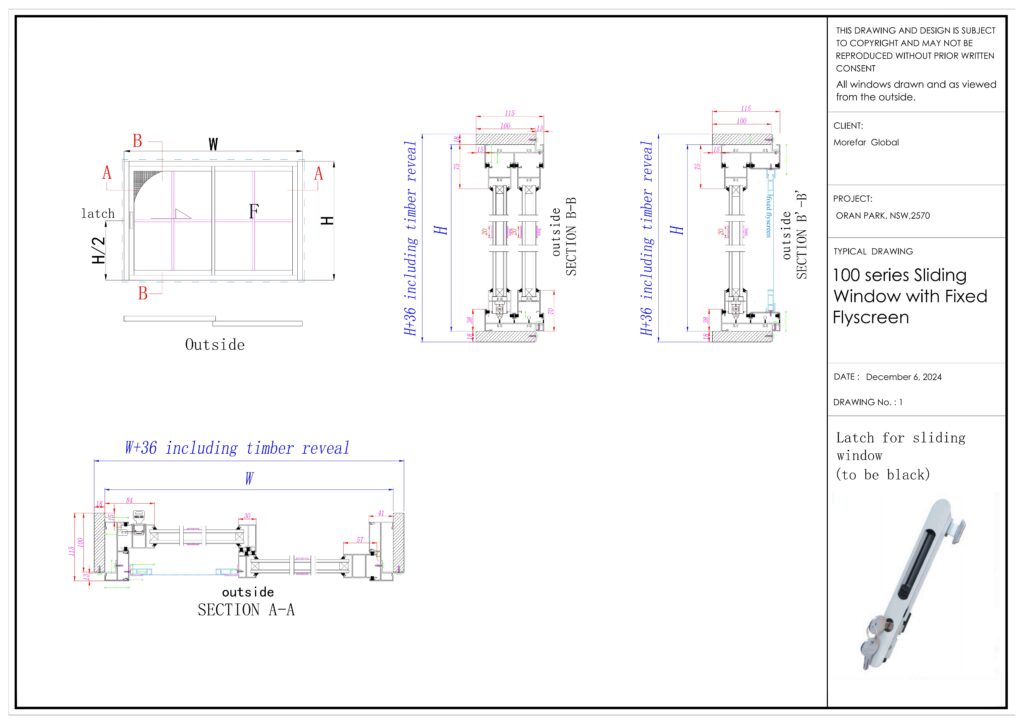
| 6. PI & Drawing Approval | The Proforma Invoice and production drawings are checked carefully. Sizes, opening direction, quantity, color, glass, hardware, and labeling logic must be approved before production.Client must sign the production drawings. |
| 7. Production | The factory produces the windows and doors according to the approved drawings and specifications. |
| 8. QC | We inspect product appearance, quantity, sizing logic, hardware completeness, labels, and packing readiness. |
| 9. Package | Products are protected, labeled (like :W01 W02 ,according to the drawing name ) bundled, and packed for export with packing photos and loading records when needed. |
| 10. Delivery | The cargo is shipped according to the agreed logistics plan and the client receives documents for unloading and installation preparation. |
Example : here is a Windows Schedule : Or you can send your Floor Plan to the window factory :
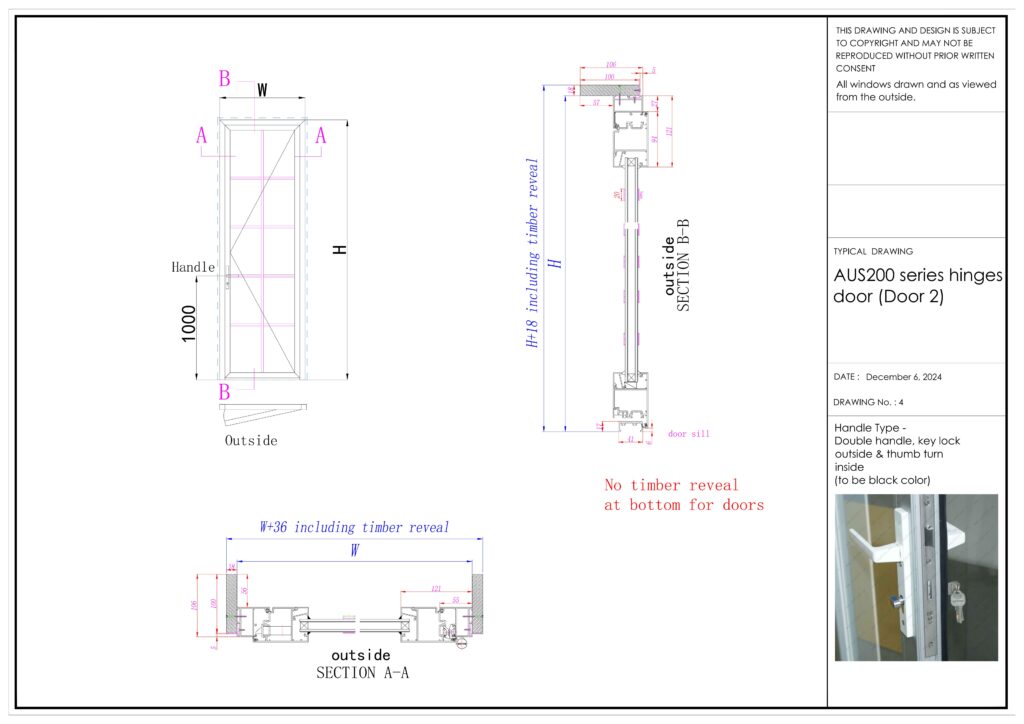
Example: The window factory will provide the dimensions of each window for the client’s review and signature:
5. What happens during production, QC, and packaging
After drawing approval, the factory begins production. For overseas projects, we strongly recommend keeping records at key stages so the client can understand the job status clearly even if they are not in China.
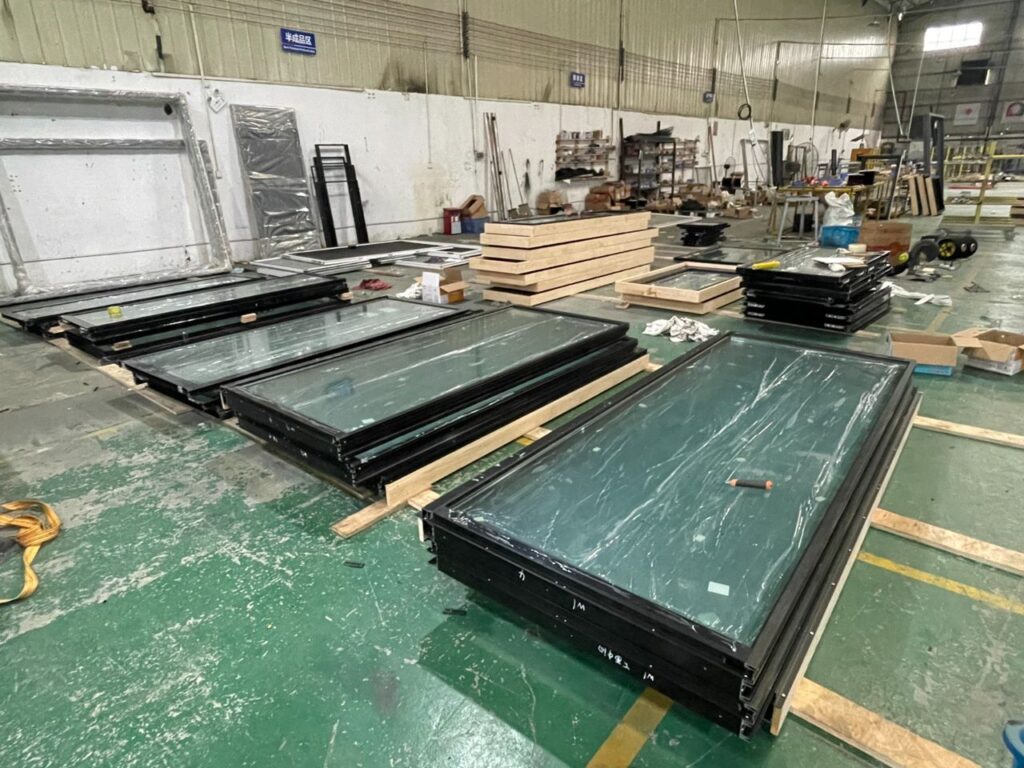
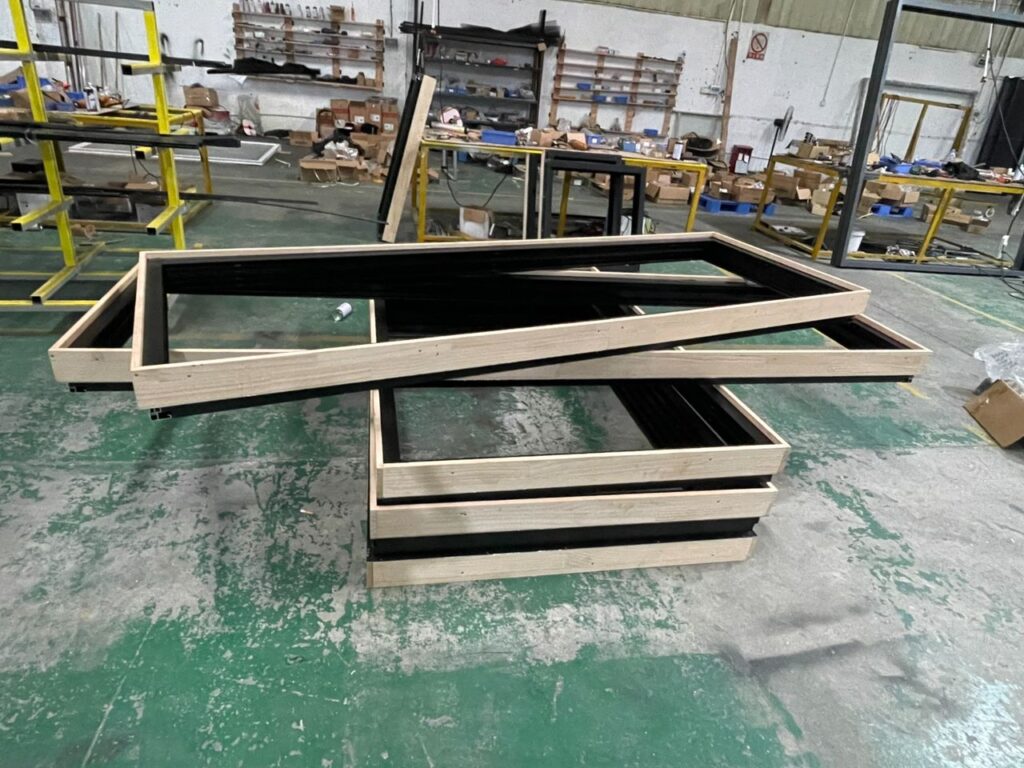
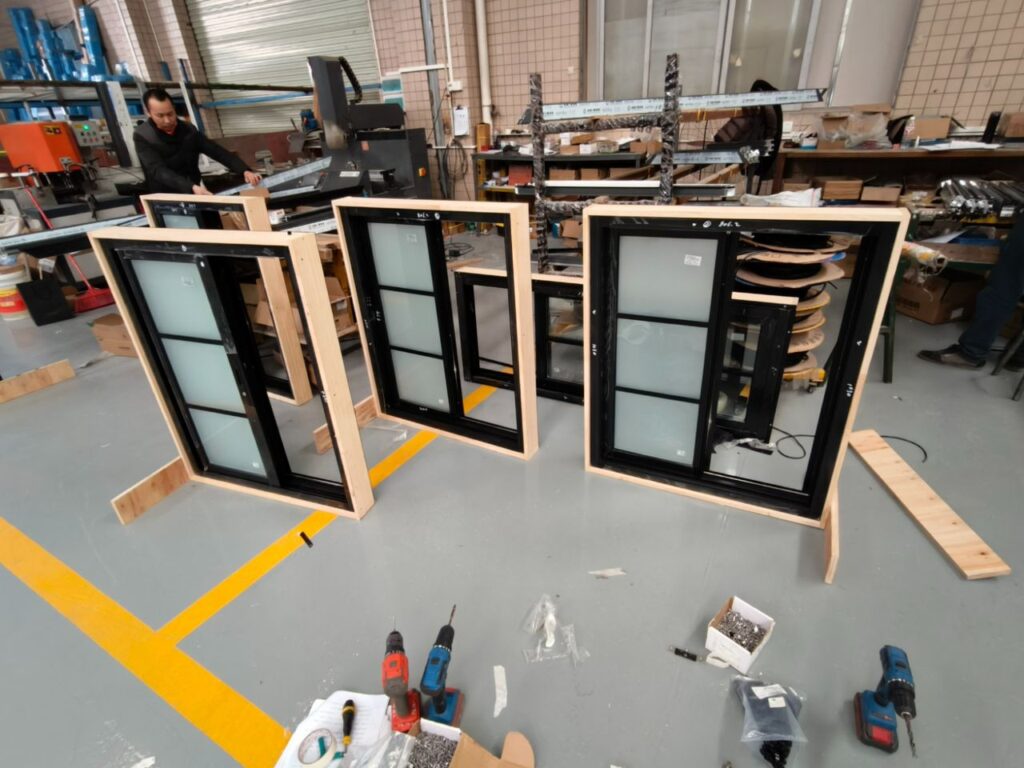
- Production records may include frame fabrication photos, corner assembly details, glass preparation, hardware installation, drainage / sealing details, and finished product photos.
- QC records may include quantity check, dimensional logic check, appearance check, opening direction check, label check, and accessory check.
- Packing records may include corner protection, foam protection, film protection, wooden crate or plywood reinforcement, labeling photos, loading photos, and container arrangement photos.
6. How Windows Doors are packed and labeled in China
Packing and labeling are critical for international projects. A good window factory does not only make the product; it also helps the site team identify the correct units quickly after unloading.
How We Label Windows and Doors After Production
After production is completed, each window and door is labeled clearly to match the approved shop drawings, window schedule, and packing list. This is a very important step because it helps the client, warehouse team, and installers identify each item quickly and correctly during unloading, checking, unpacking, and installation.
Usually, each item will have its own reference number, such as W01, W02, W03 for windows, and D01, D02, D03 for doors. These numbers correspond directly to the client’s approved drawings and window schedule.we can also add handling marks on the outer packaging, such as:
HANDLE WITH CARE . FRAGILE .GLASS INSIDE .THIS SIDE UP.
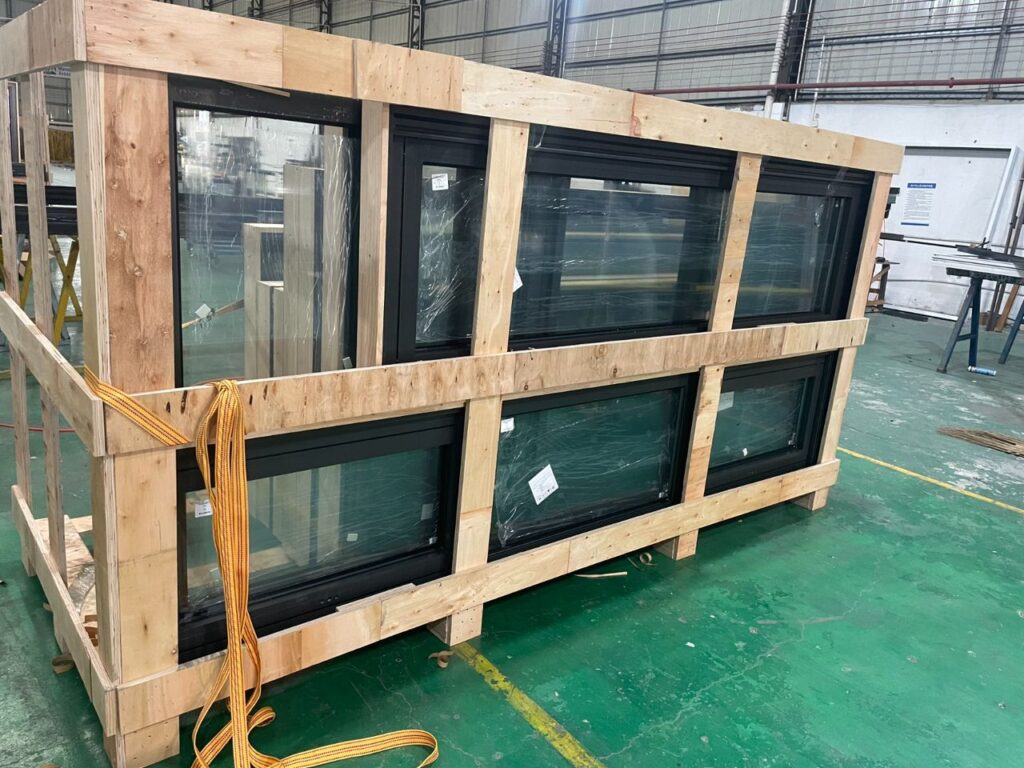
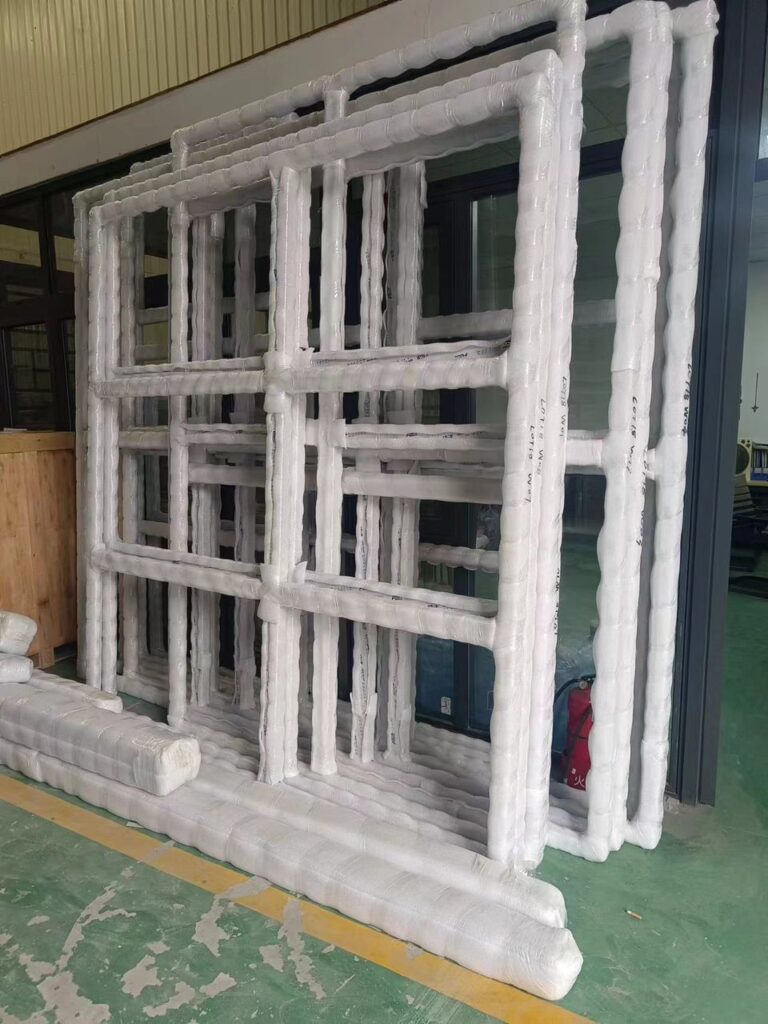
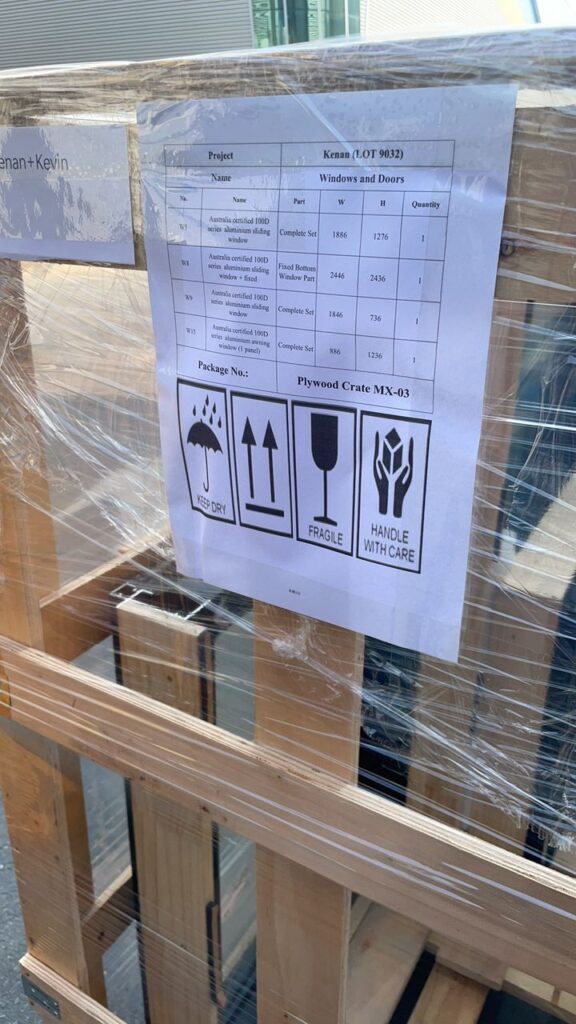
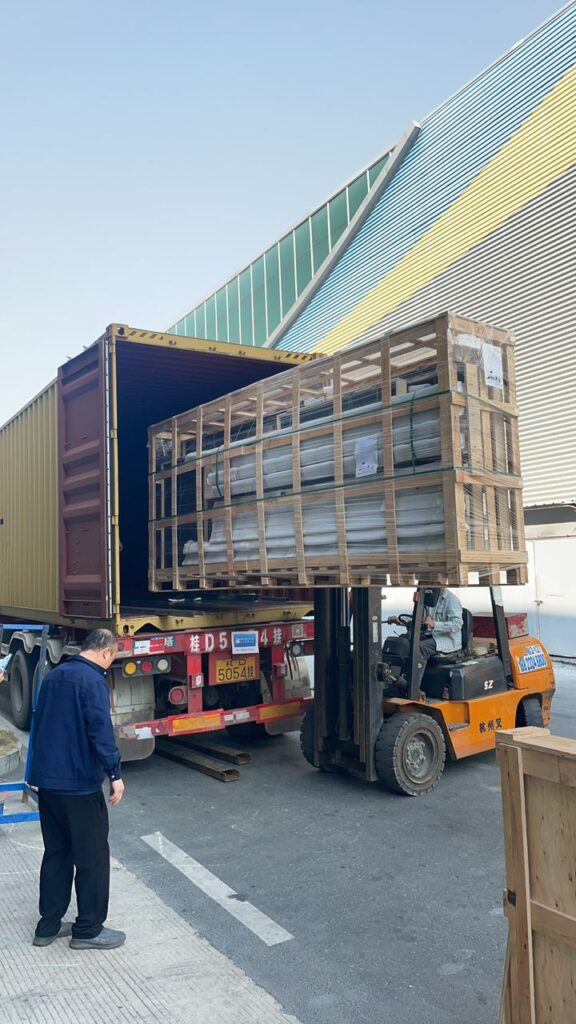
- Typical export packing may include protective film on aluminum profiles, corner protectors, foam or pearl cotton wrapping, additional glass protection, and plywood or wooden reinforcement for sea freight.
For some oversized windows and doors, especially large sliding doors, oversized fixed glass panels, and heavy systems, the glass and the frame may be packed separately after production in China for transportation safety. This helps reduce breakage risk and makes international shipping safer. In this situation, the client should understand in advance that part of the final glass installation or on-site assembly will need to be completed locally. The factory will normally prepare the required matching.and will send you how to install the glass video.
7. The biggest concern for overseas clients: Installation
For most overseas clients, the biggest concern is not only the product itself—it is installation after shipment. This is why Morefar always tries to understand the installation method early, before final factory matching and before production begins.
- At the early stage, we need to know how the client plans to install the windows and doors, because the factory may need to prepare supporting accessories, reinforcement details, fixing methods, brackets, sub-frame options, drainage details, or specific frame structures based on the wall condition.
- For example, installation needs may change if the wall is concrete, block wall, timber frame, steel structure, or another wall build-up. The planned fixing method can also affect frame design, tolerance, and packing arrangement.
- This early communication reduces the risk of site confusion later and helps the client receive a more practical factory solution rather than just a low quotation.
| Key installation principle Before the order is finalized, the Buyer should Provide how the windows / doors will be installed and what the wall structure is. This helps the factory prepare the right supporting solution, instead of leaving critical installation details unresolved until the goods arrive. |
8. Installation process for the client after arrival
The basic installation flow we usually explain to clients is as follows:
| Installation Step | What the site team should do |
| 1. Unloading | Unload carefully and avoid impact on frames, corners, and glass edges. |
| 2. Check Quantity | Check the received quantity against the packing list and label numbers.and check the accessories. |
| 3. Unpacking | Open the packages in an organized way and keep the labels traceable to the drawings. |
| 4. Quality Checking | Check appearance, dimensions, opening direction, glass condition, hardware completeness, and any obvious transport damage before installation. |
| 5. Professional Installer to install the windows / doors based on wall structure | A professional installer should install the units according to the actual wall type, fixing method, and local site practice. |
| 6. Test window operation | After fixing, test opening, closing, locking, sliding smoothness, and hardware adjustment. |
| 7. Tightness Sealant between window frame & wall | Complete sealing between frame and wall carefully to achieve weather tightness, waterproofing, and a cleaner finish. |
Depending on the project, the professional installer may also need to follow local code requirements for flashing, waterproof membrane, drainage path, expansion gap, foam, backer rod, or sealant selection.
9. Why installation videos and testing videos are useful
Videos make the process easier to understand for overseas clients, installers, and project managers. They are especially useful when the site team wants to see real examples of product handling, operation testing, waterproof detailing, and sealant application.
- Production videos help clients understand workshop quality and factory capability.
- Testing videos help explain water tightness, air tightness, glass performance, and hardware stability.
- Installation videos help reduce site misunderstanding, especially for projects where the local installer has not used that exact system before.
Recommended installation and waterproofing reference video
- How To Fit An Aluminium Window – Complete DIY Guide UK — (click to watch it )
- This is a practical reference video for aluminum window positioning, fixing, and overall installation workflow, and it can also help clients or installers understand the basic installation sequence before site work begins.
10. How Morefar Global Sourcing helps in this field
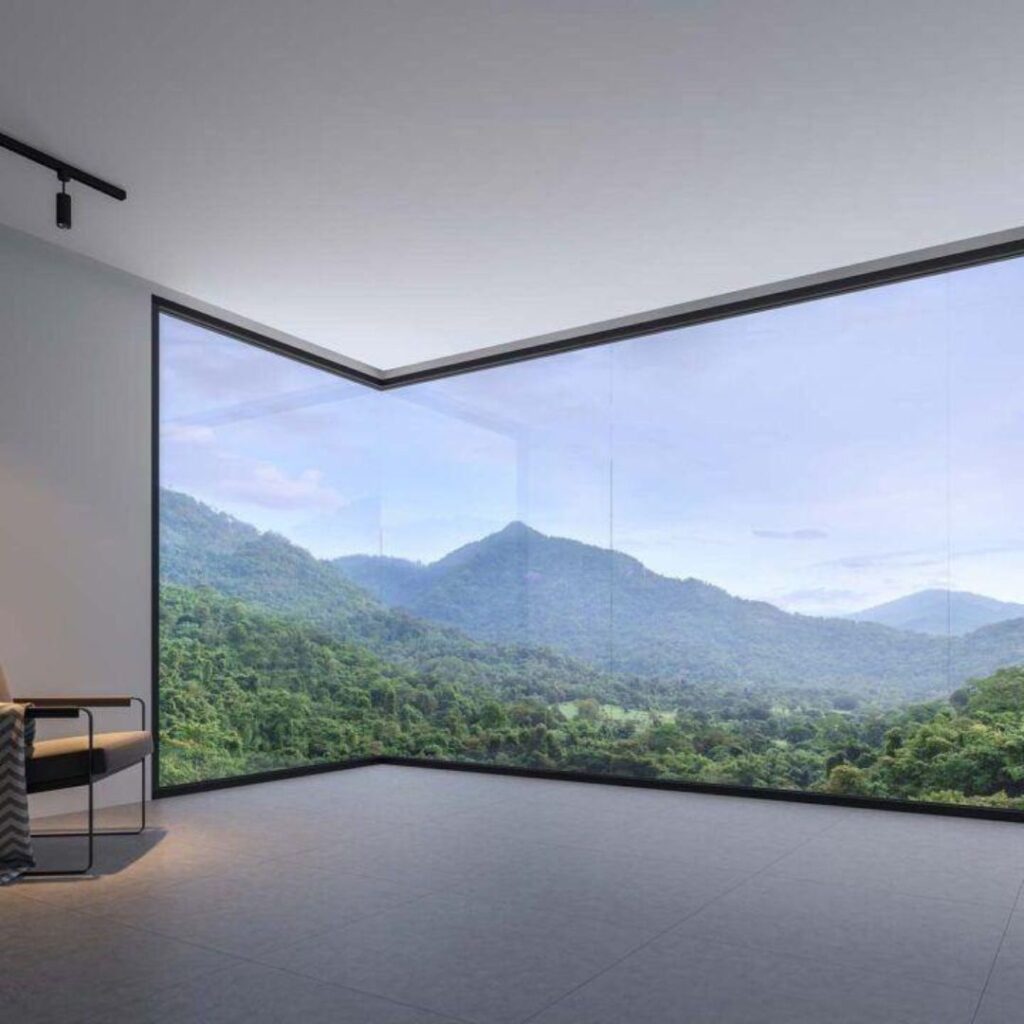



Morefar Global Sourcing is not just forwarding a quotation from one factory. Our value is in understanding the project requirement first, then connecting the client to the right type of window factory based on country requirement, performance targets, installation method, budget, hardware level, and export experience.
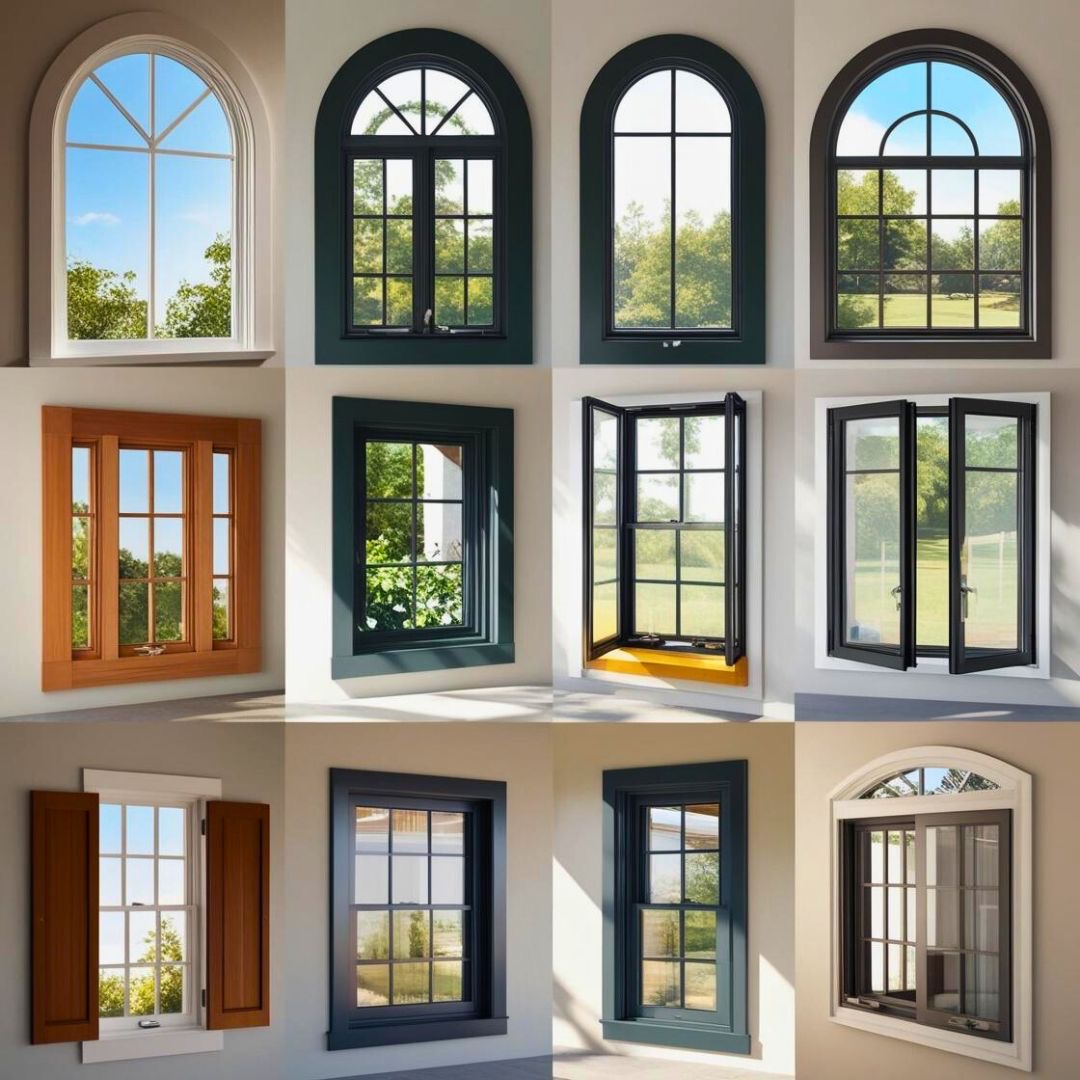
- We can help connect projects with different types of factories, including suppliers experienced in NFRC windows, CSA windows, AS2047 windows, CE-related export projects, thermal break aluminum windows, oversized sliding doors, villa windows, and heavy-duty systems.
- We focus on the practical link between drawings, quotation, production drawings, labeling, packaging, and installation support. This is important because a project does not succeed only by getting a low unit price. It succeeds when the goods can be produced correctly, shipped safely, identified clearly, and installed properly on site.
- For overseas buyers looking for a reliable Foshan sourcing agent, a Foshan window factory network, or a custom window supplier in China, Morefar can help compare different solutions and communicate the key technical points clearly.
11 . Do you understand what quality certificate you need?
Window and Door Certifications and Industry Marks
When sourcing windows and doors for overseas projects, certifications and industry marks are often an important part of the decision-making process. Different countries and project types may require different standards for energy performance, product quality, structural performance, or market compliance.
Some of these marks are certification systems, such as NFRC, NFRC Certified, CSA, and Australian Standard Certified Product, which are often used to show that a product has been tested or certified according to specific technical requirements. These are especially important when the project requires confirmed values such as U-Factor, SHGC, safety compliance, or performance under local standards.
Other marks, such as AAMA, AWA, and AGWA, are closely related to recognized industry bodies and technical systems in the window and door sector. They are often associated with product standards, testing methods, industry guidance, and accepted market practices in regions such as North America and Australia.
For Australian projects, Window Energy Rating (WERS) is also commonly referenced, as it helps evaluate the energy efficiency performance of windows and glazed doors. This is especially useful when matching products to BASIX, U-value, or SHGC requirements.

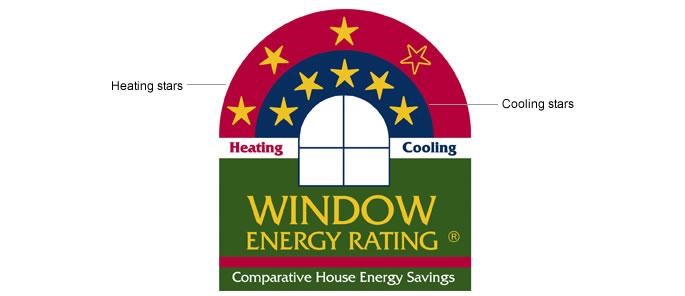


In practical sourcing work, these certifications and industry marks help overseas clients, architects, and builders better understand whether a factory can match the required project standards. At Morefar Global, we use these references to help clients connect with the right window and door factory based on their destination market, certification requirements, technical specifications, and installation needs.
12. Closing note
Closing Note
For overseas projects, success usually depends on three things: correct technical input at the beginning, correct factory matching during quotation, and correct packaging plus installation support before and after shipment. Once these are handled properly, buying custom aluminum windows and doors from China can be efficient, professional, and cost-effective.
As an experienced Foshan sourcing agent and building material sourcing agent, Morefar Global helps overseas clients connect with the right window and door factories based on different project requirements, certification standards, technical specifications, and installation methods. With strong experience in aluminum windows and doors, export packaging, supplier coordination, and international shipping, Morefar Global can support clients through the full process from enquiry to delivery.
This document is prepared by Morefar Global so you can later insert your own client plans, BASIX screenshots, U-value or SHGC schedules, approved drawings, production records, packaging photos, and testing or installation videos in the reserved spaces above.
Morefar Global also provides flexible shipping solutions for windows and doors, including both FCL (Full Container Load) and LCL (Less than Container Load). For small orders or sample shipments, LCL can be an option. However, for most window and door projects, we usually recommend FCL in the end. This is because windows and doors are fragile, bulky, and often require safer handling during transportation. Compared with LCL, FCL usually offers better protection, less cargo handling, lower damage risk, and better overall cost efficiency for larger shipments. It is also more suitable for villa projects, full-house building material orders, and shipments with large-size windows and doors. For more details, please refer to this article: https://morefarglobal.com/why-full-container-load-fcl-is-more-cost-effective-than-less-than-container-load-lcl-for-furniture-and-building-material-shipping-from-china/
Foshan window factory | China aluminum windows and doors | thermal break aluminum windows | custom window supplier | Foshan sourcing agent | NFRC windows | CSA windows | AS2047 windows | CE certified windows | aluminum sliding doors | casement windows supplier | export window factory